Autumn is one of the best moments to enjoy the high mountain scenery that coexists with the Aranese heritage. a culture and traditions perpetuated for centuries. Each of the 33 villages in the Aran has its own church, some of which are authentic architectural treasures, with jewels of painting or sculptural ensembles inside, an artistic legacy of great variety and exceptional richness.
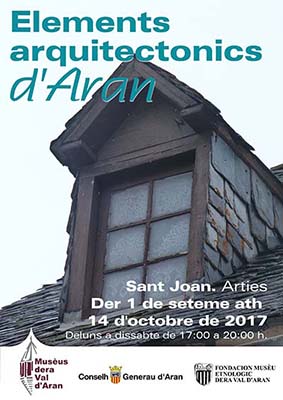
The heritage area of the Culture Department of the Conselh Generau d’ Aran offers the possibility of discovering the Romanesque features of the valley, through guided visits to the most significant churches. Built mainly during the 12th and 13th centuries, they are characterised by an evolved Romanesque style, which is still very late, despite the fact that some buildings retain part of the Lombard Romanesque style, with a riuca iconography on their doorstep, notable sculptural ornamentation and bell towers that are immediately identified with the Aranese villages.
The fifteen churches of the Romanesque route of the Aran are interesting, but there are five absolutely essential visits:
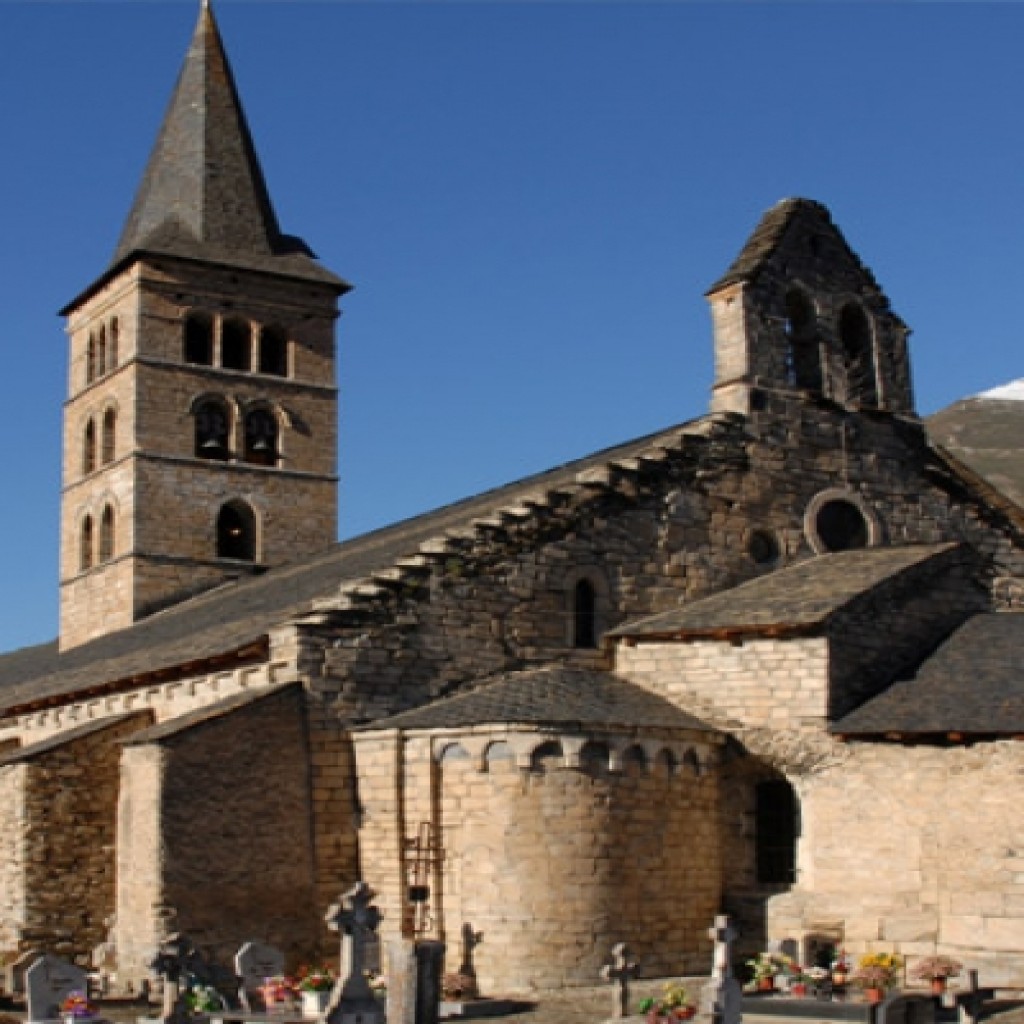
Santa Maria de Arties, declared a National Monument. Inside it houses interesting Gothic and Renaissance mural paintings. The altarpiece of the main altarpiece, a masterpiece of Gothic painting, with paintings representing different scenes with the Virgin Mary, is also noteworthy.
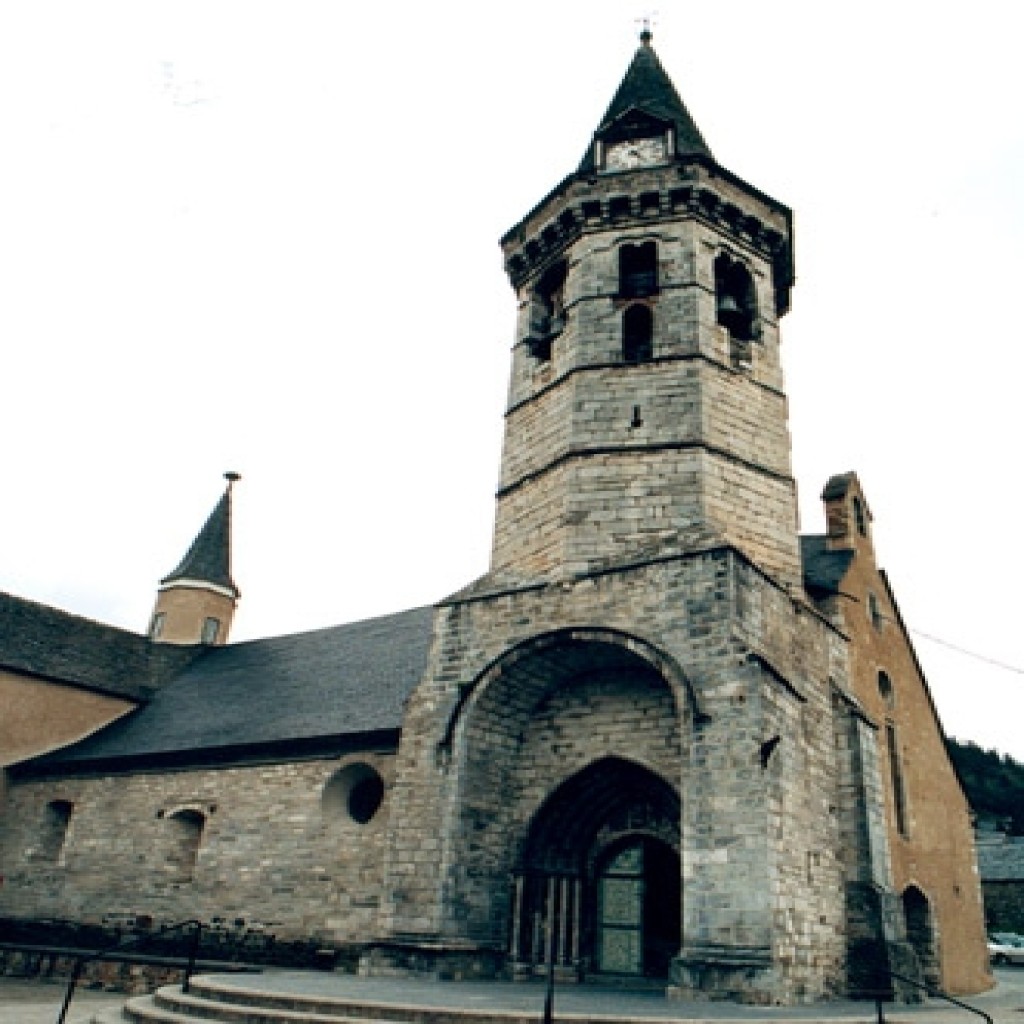
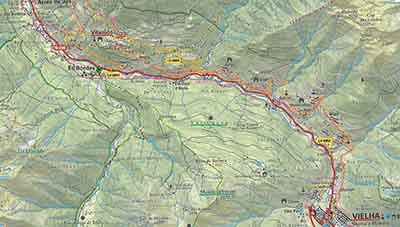
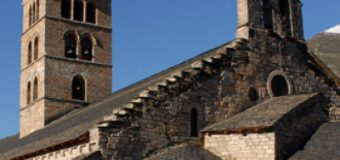
Sant Miquèu de Vielha, located in the centre of the capital of Aran, XIII century, is an example of architectural transition from Romanesque to Gothic, although it has later additions such as the dome or the last two chapels. In the 16th century, the impressive bell tower with five archivolts was erected. Inside is a Gothic altarpiece, attributed to the master of Vielha and Crist de Mijaran. The latter was part of a sculptural ensemble made in the Erill la Vall workshop. Esrte Cristo, is one of the most paradigmatic pieces of 12th century Romanesque sculpture.
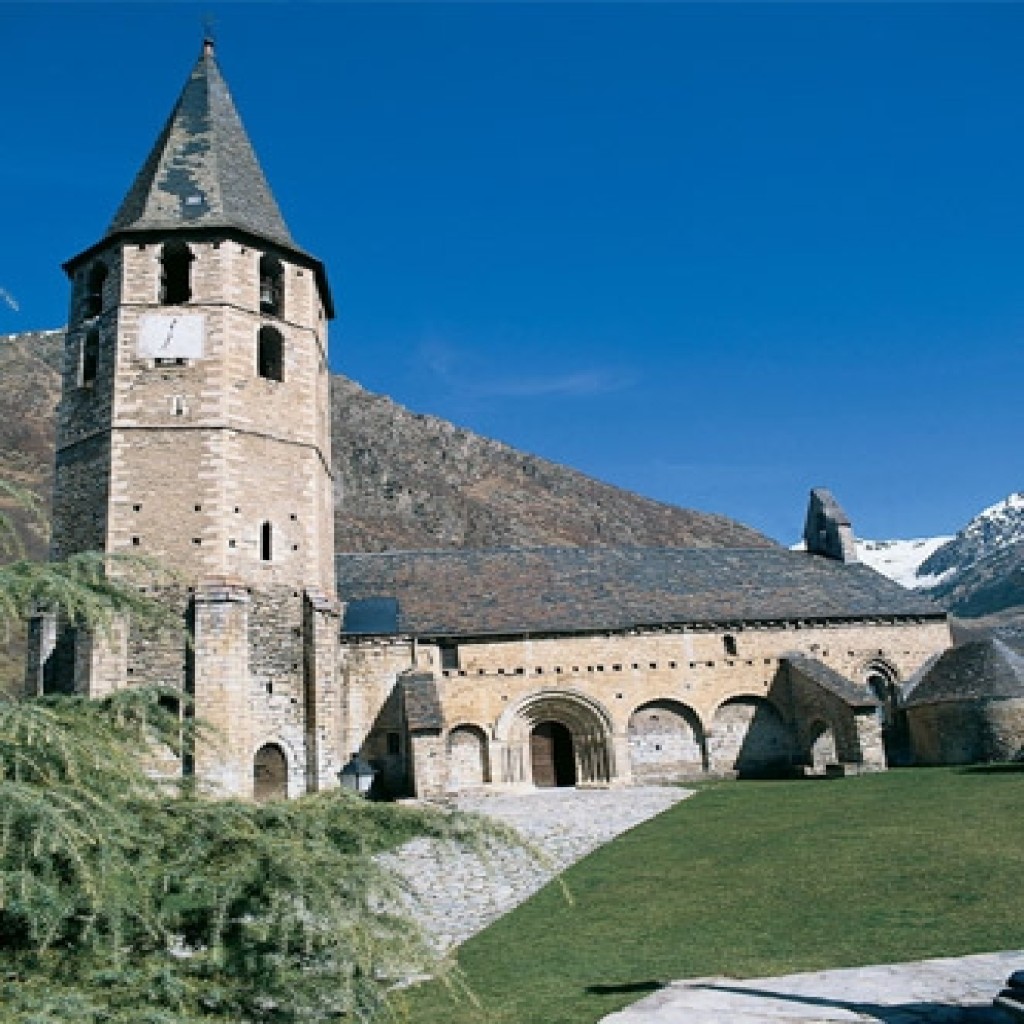
Sant Andrèu de Salardú. Its architecture is typical of late Romanesque architecture from the 13th century. Inside we are surprised by an elegant Gothic architectural structure and the mural paintings of the seventeenth century, which depict various personalities and biblical examples. In the central apse is the 12th century carving of the Christ of Salardú, a work by Erill la Vall’s workshop.
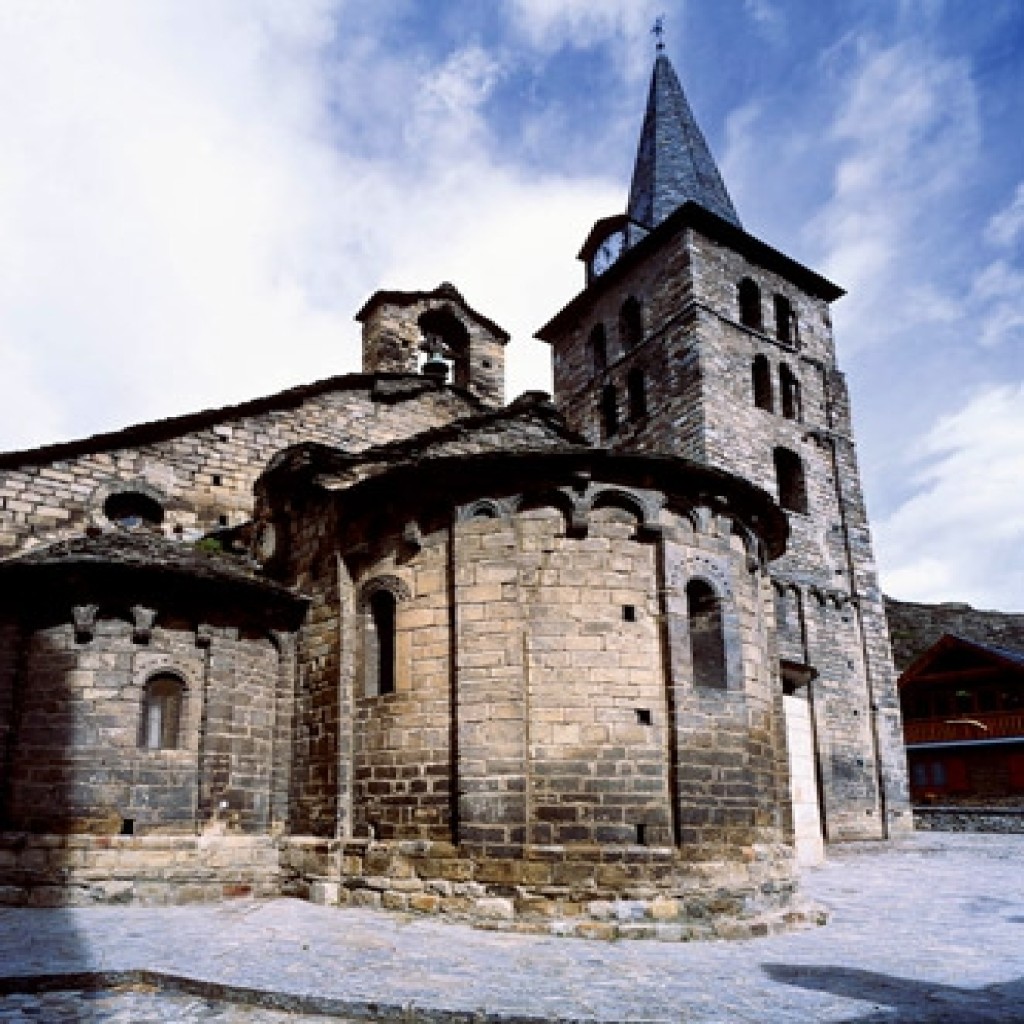
Era Mair de Diu dera Purificacion. Situated in Bossòst (Baish Aran), this church is a magnificent example of Romanesque Aranese architecture. Its basilical floor plan has three naves built in turn of cannon, supported on circular pillars. A detail that does not go unnoticed is a fragment of mural painting from the late thirteenth and early fourteenth centuries, located in the central apse, where the representation of the scene of the Epiphany is intuited..
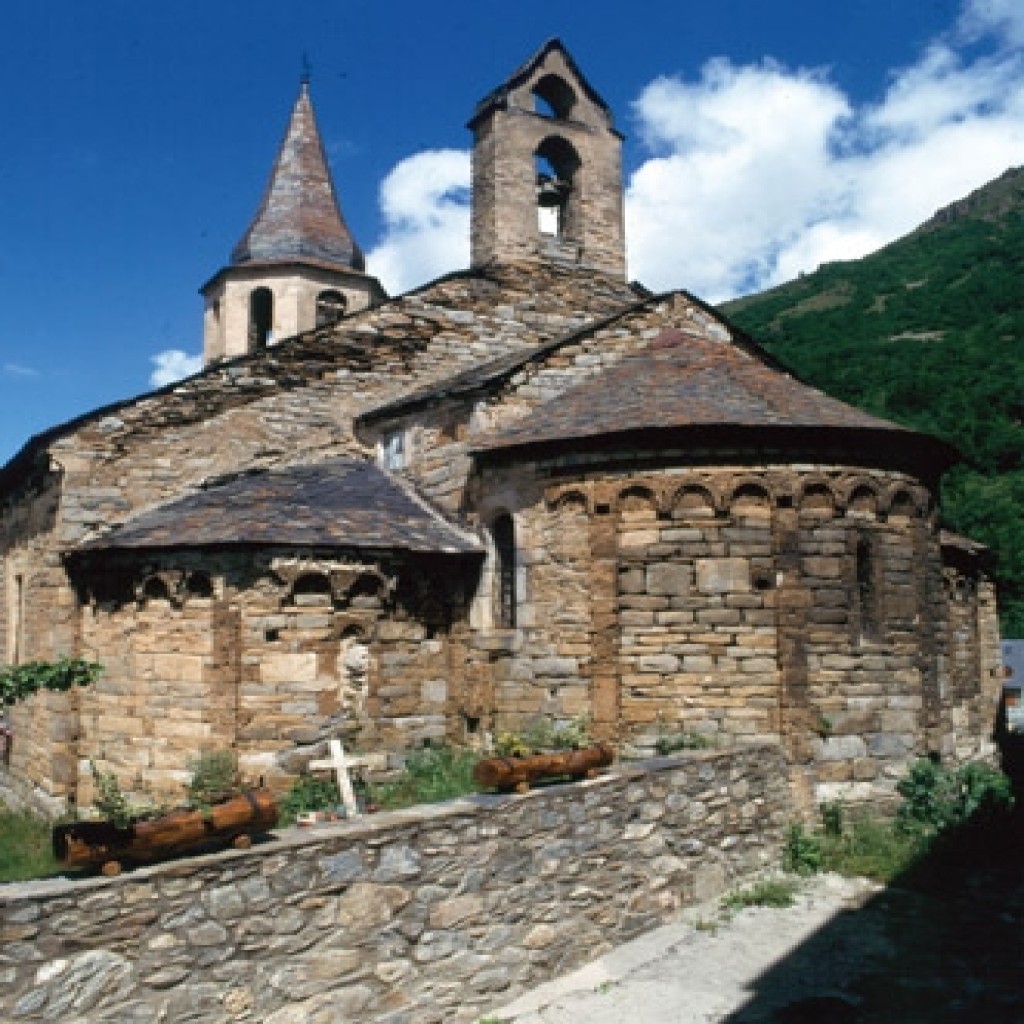
Sta. Eulàlia de Unha. Romanesque paintings in the semi-sphere of the central apse show what must have been the Pantocrator, of which the face is preserved. It houses 16th century paintings, in which biblical episodes take place. The two baptismal spades are also very interesting. The bell tower of the Santa Eulàlia bell tower was added in the 18th century.
Practical information for the Romanesque Route
Guided visits: 973 64 18 15
Churches without appointment: St. Miquèu de Vielha, Era Purificacion de Bossòst, St. Andrèu de Salardú y St. Joan y St. Blas de Lés. Horario de 10,00 a 20,00 h.

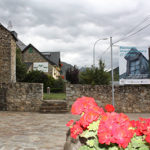
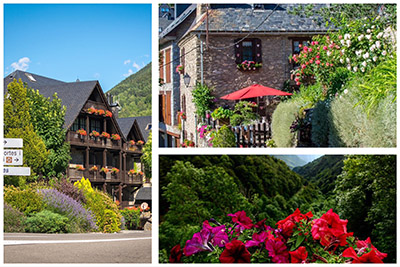 Bagergue, Canejan and Arties are the three Aranese towns that are members of the “Viles Florides” project, which promotes the Ornamental Horticulture Confederation of Catalonia (CHOC) with the support of the Catalan Tourism Agency. After Bagergue obtained four flowers of honour last season – the highest recognition obtained so far – this year was followed by the other two villages that, once the improvements in their environment have been made this summer, expect to know the decision of the jury on Friday 22, at an event to be held in Mollet del Vallès.
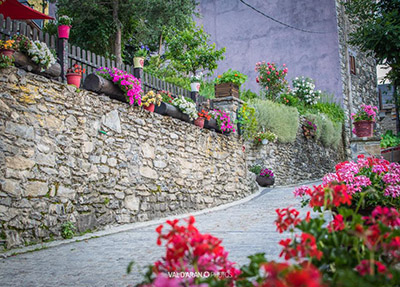 Bagergue, which joined the “Viles florides” project last season, is one of five Catalan municipalities with four flowers of honour. The villa is filled with flowers that give life and color to the stones of the characteristic houses of Aranese construction.
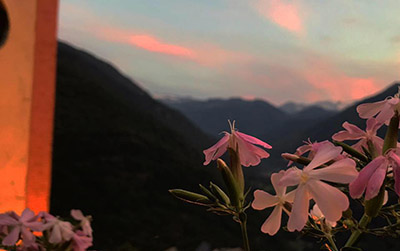 In March of this year, Canejan joined the “Viles florides” project. At 906 metres above sea level, it is the Val d’Aran northernmost village. Elevated over the Val de Toran, it offers one of the best views of the whole Baish Aran. For the consistory, being part of Viles Florides is one more tourist attraction. “Viles Florides is another step forward in the task we carry out so that visitors and neighbours can walk along clean, arranged and flowery streets”, explains Noemi Lastera, councillor of the Canejan city council.
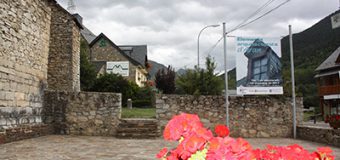
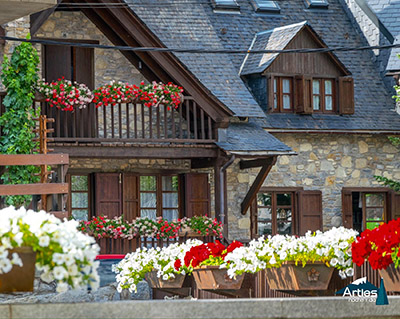 ornamentation and decorates its streets and gardens with different flowers, with the mobilization of locals for the ornamentation of their houses. For David Torres, mayor of Arties, the adhesion to the project “Viles Florides” wants to “encourage the neighbours and make them participate in the care and floral decoration of the village and the private spaces”. The mayor considers that becoming a “vila florida” should also be a “tourist incentive” for the population.

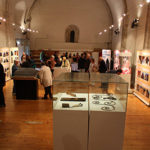
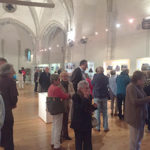
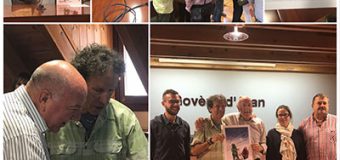
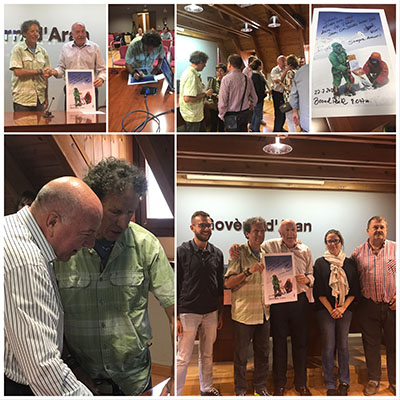 The Aranian government, represented by the Síndic d’Aran, Carlos Barrera and the Tourism councilor, Anna Diaz, will host a reception for the alpinist Òscar Cadiach. The event took place last Monday, September 4 in the Press Room of the Conselh Generau d’Aran.

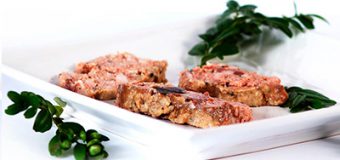
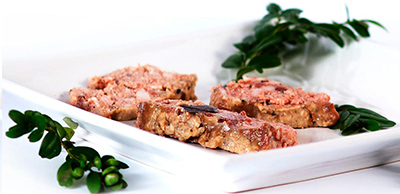
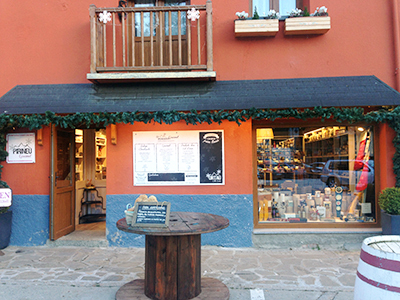 Among them, stand out the establishments specializing in meat products, sausages and pates, handcrafted made according to the recipes inherited from grandparents and great-grandparents butchers. And, of course, there are the traditional “Horns” baking bread to firewood and traditional pastries made with the classical conquilhons and tronquets between them.